

Zambia, COMESA, and the World Bank have launched a regional AI initiative to develop harmonized AI policies, strengthen digital governance, and accelerate responsible AI adoption across Eastern and Southern Africa.
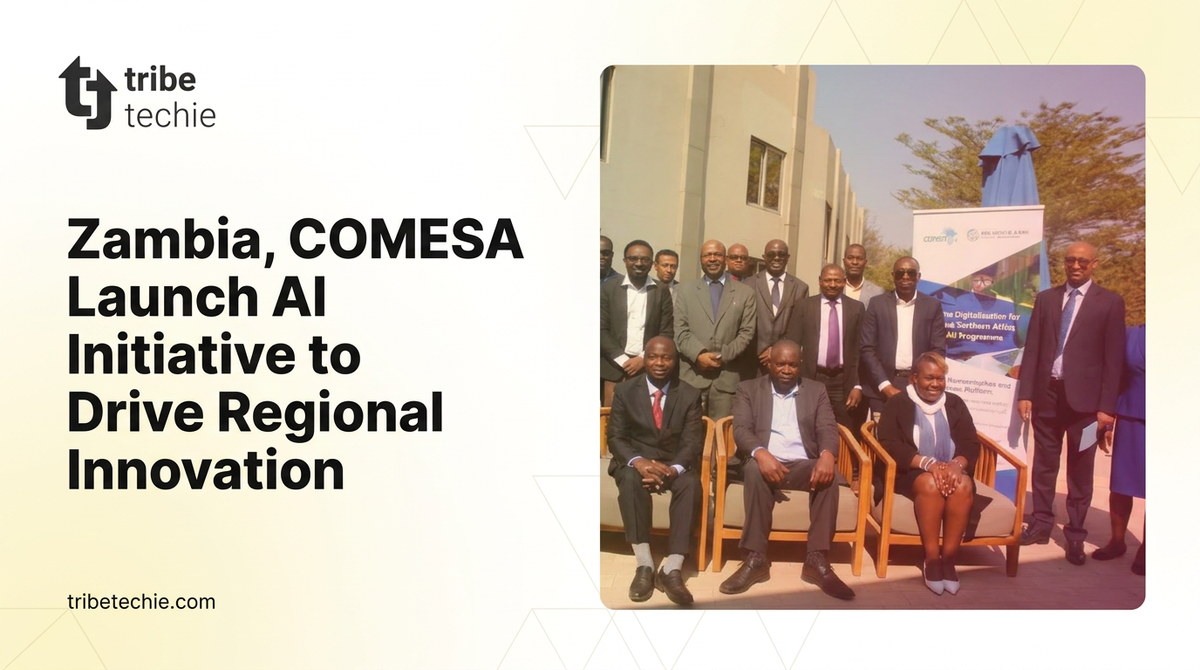
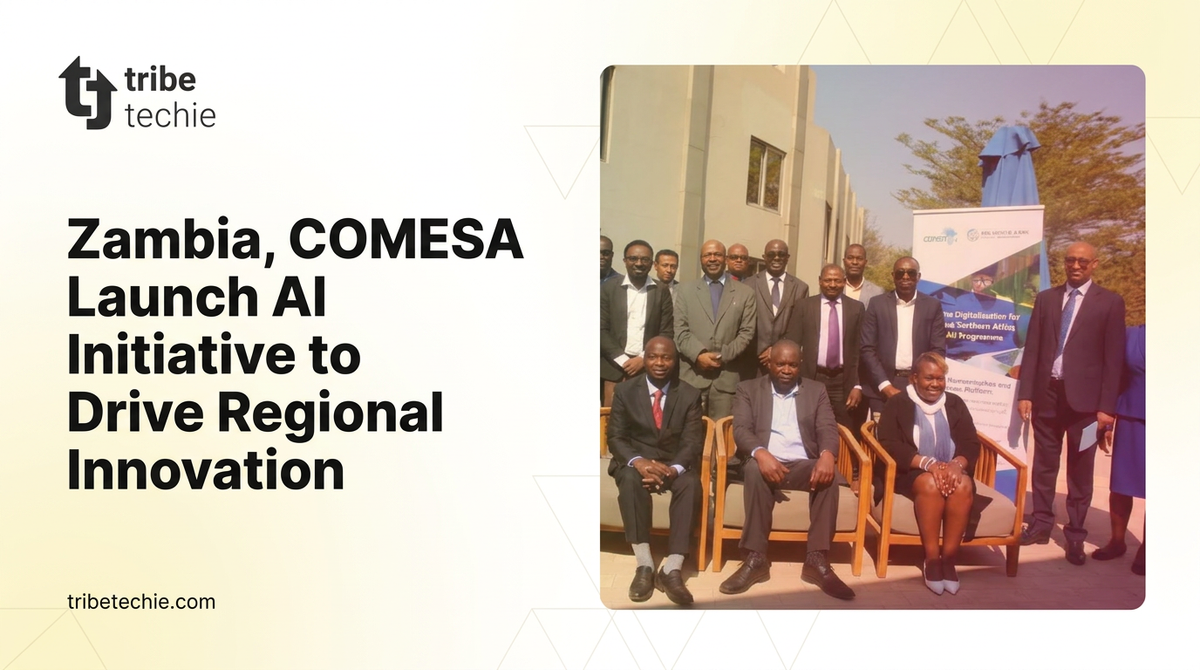
Held in Lusaka, the workshop aims to accelerate the responsible adoption of AI and emerging technologies while supporting the development of harmonized regional AI policies and regulatory frameworks. It also marks the first major stakeholder engagement under the AI and Emerging Technologies Consultancy within the IDEA Program.
Also Read: Maalexi Raises $2.8M to Build a Tokenized Agriculture Exchange.
Strengthening the Regional AI Initiative
The workshop was officially opened by Permanent Secretary Eng. Dr. Brilliant Habeenzu, who said the project will help strengthen institutional capacity and increase awareness of AI opportunities. The initiative aims to gather country-specific insights to inform Zambia's national AI agenda and COMESA's broader strategy.
The consultations will contribute to the development of harmonized regulatory frameworks designed to support cross-border digital innovation. These efforts ensure AI is deployed responsibly across all member states.
Speaking during the launch, Leonard Chitundu, representing the COMESA Secretariat, said the stakeholder engagements combine awareness, capacity building, and structured consultations. This approach ensures future AI policies are evidence-based, inclusive, and aligned with regional integration goals.
The Economic Potential of Artificial Intelligence
He noted that artificial intelligence has the potential to transform public service delivery, improve productivity, and stimulate innovation. Expanding cross-border digital services across Eastern and Southern Africa remains a key priority.
At the same time, he emphasized the need for coordinated regional action to address challenges. These include data governance, ethical AI, cybersecurity, consumer protection, digital skills, and regulatory readiness.
In his keynote address, Dr. Habeenzu highlighted AI's growing impact across agriculture, healthcare, education, and financial services. Artificial intelligence is projected to contribute more than US$15.7 trillion to the global economy by 2030, while Africa could generate US$1.2 trillion in value through responsible adoption.
He cautioned that without harmonized policies, COMESA member states risk fragmented regulation and missed opportunities for regional economic growth.
Go deeper on GCC & Africa tech — $9.99/month.
Deep dives and investor insights the free digest doesn't cover.
Advancing Digital Infrastructure in Zambia
According to Dr. Habeenzu, the workshop seeks to identify Zambia's policy and institutional gaps. The goal is to develop shared priorities for governance and identify high-impact AI applications across strategic sectors.
The Permanent Secretary reaffirmed Zambia's commitment to inclusive digital transformation. This includes continued investment in broadband infrastructure, e-government services, cybersecurity, and digital payment platforms.
Mobile broadband penetration reached 72% in 2025, up from less than 40% a decade ago. More than 300 communications towers have been constructed since 2022 to improve nationwide connectivity.
Zambia is also participating in the US$2.48 billion IDEA Programme, implemented with COMESA and the World Bank. The program supports digital infrastructure, policy harmonization, and inclusion across more than 15 African countries.
The program places particular emphasis on ensuring women, youth, and small enterprises benefit from Africa's expanding digital economy. Recommendations from these consultations will shape both Zambia's national strategy and the forthcoming COMESA Regional Artificial Intelligence Strategy.
Why Zambia and COMESA Partnership Matters
The initiative marks an important step toward coordinated AI governance across Africa. Regional collaboration is increasingly viewed as essential to unlocking the continent's economic potential.
By working toward harmonized regulations, COMESA aims to reduce fragmentation and encourage cross-border innovation. This creates a more attractive environment for technology investment across member states.
For the GCC, the program aligns with the region's growing focus on AI leadership. Countries such as Saudi Arabia, the UAE, and Qatar are investing heavily in sovereign AI and cloud computing.
Stronger AI governance across Africa creates new opportunities for collaboration in research and cybersecurity. As economic ties deepen, harmonized policies will make it easier for startups to scale AI solutions across both regions.
Engagement