
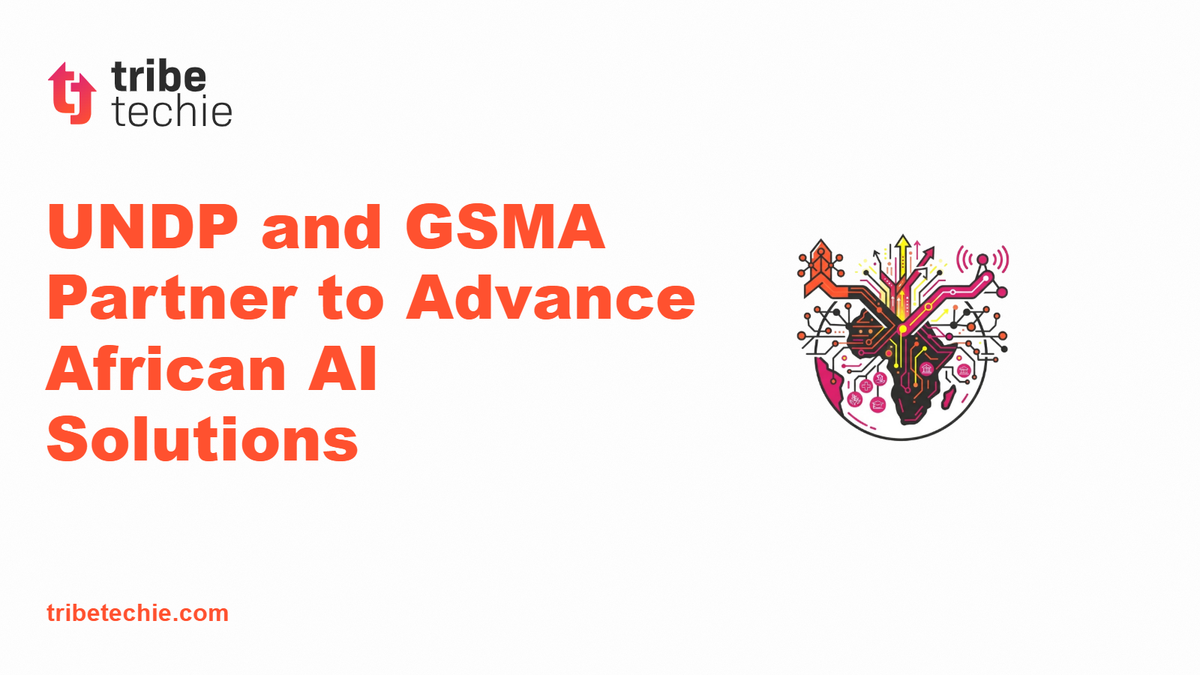
UNDP and GSMA have formed a new partnership to expand access to compute, talent, and deployment opportunities for African AI solutions. The initiative aims to support developers working on local language models and scalable technology.
The partnership will connect African innovators with the GSMA’s mobile industry networks and UNDP’s innovation programmes. It will also use the timbuktoo initiative to improve access to computing infrastructure for priority AI pilots.
Also Read: Meta Unveils Muse Spark to Power Next-Gen AI Experiences
Additionally, the collaboration will support the deployment of locally developed solutions. The organisations did not announce a funding amount for the partnership.
Infrastructure Challenges for African AI Solutions
One of the practical challenges the initiative targets is access to the computing power required to train and run AI models. Under the partnership, UNDP and GSMA will connect selected AI pilots with compute infrastructure and real-world applications.
The network will draw on AI Labs, universities, the UNDP-supported University Innovation Pods (UniPods), and other ecosystem partners across Africa. That could help address a common constraint for African AI startups: having the talent to build a product does not necessarily mean having the infrastructure or commercial access needed to bring it to market.
Expanding Language Resources and Models
Language is another focus of the partnership. The collaboration builds on GSMA’s ATLAS Umoja AI, launched in July with African governments and industry partners to develop AI that better reflects the continent’s languages, cultures, and local needs.
GSMA’s wider work includes efforts to improve language data, computing resources, and technical expertise for African-language AI. In April, the organisation and Pleias launched CommonLingua, an open-source language-identification model supporting 61 African languages.
Go deeper on GCC & Africa tech — $9.99/month.
Deep dives and investor insights the free digest doesn't cover.
For developers building voice assistants, translation tools, education platforms, and other AI services, better language resources could make it easier to serve users who remain poorly represented in mainstream AI systems.
Scaling Prototypes to Commercial Products
The partnership is also focused on what happens after an AI prototype has been built. UNDP and GSMA say they will connect innovators with practical applications and explore pathways for sustaining projects beyond their initial pilots.
The aim is to help promising technologies move into areas where they can be tested, adopted, and maintained over time. Aissata De, officer-in-charge and regional director for Africa at UNDP, said the partnership will connect African innovators with the infrastructure, skills, and opportunities needed to develop solutions addressing the continent’s priorities.
Angela Wamola, head of Africa at GSMA, said the initiative is intended to help locally developed AI reach the people and businesses that can benefit from it.
Why it Matters to African Startups
The partnership addresses a broader challenge in Africa’s AI ecosystem: building an AI solution is only the first step. Access to compute, data, customers, and distribution can determine whether it becomes a viable product.
For startups, UNDP’s innovation networks and GSMA’s links to mobile operators and technology companies could create more routes to test and deploy AI in areas such as agriculture, healthcare, education, and financial services.
The African-language focus is equally important. Africa has thousands of languages, many of which remain poorly represented in AI training data. Better datasets and models for local languages could create opportunities for startups building products specifically for African users rather than adapting global systems later.
The longer-term test will be whether this infrastructure and ecosystem support translates into widely used, commercially sustainable AI products built in Africa for African markets.
Engagement