

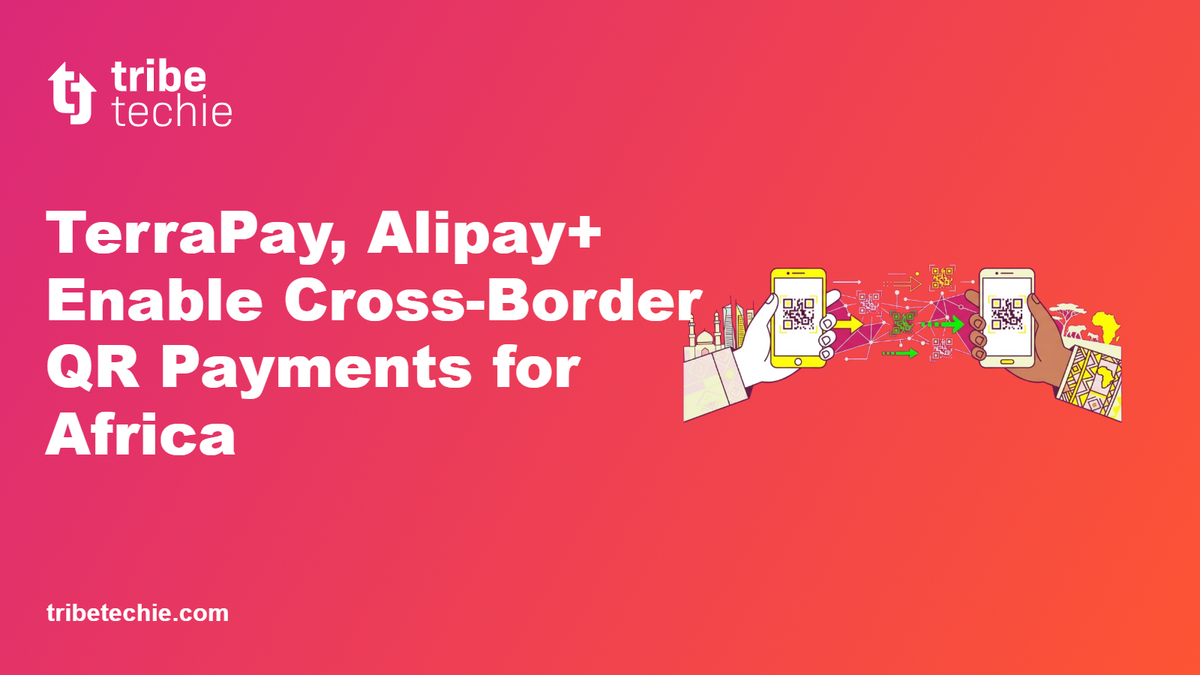
TerraPay and Alipay+ are launching a new partnership to facilitate cross-border QR payments for travelers. The initiative will connect 15 African digital wallets to more than 150 million merchants worldwide.
In the initial phase, 15 African digital wallets connected to TerraPay’s Xend wallet interoperability network will be able to make payments at more than 150 million merchants in Alipay+’s global ecosystem.
Also Read: Namibia Aligns CRAN Board With National Digital Transform
The partnership expands TerraPay’s wallet interoperability capabilities beyond account-to-account transfers into in-store payments. This allows users to take their existing digital wallets with them when they travel.
Through Xend, participating wallet providers can connect their users to international payment networks through a single integration.
How Cross-Border QR Payments Work
Travelers will be able to use their home wallets to scan QR codes at participating merchants. This allows them to complete transactions without downloading another payment app or carrying physical cash.
For wallet providers, the model could also help extend the usefulness of their platforms beyond domestic markets. Digital wallets have become an important part of everyday payments, but cross-border functionality has remained fragmented until now.
Ambar Sur, Founder and CEO of TerraPay, said the partnership is aimed at making a user's home wallet work internationally in much the same way it does domestically.
Expanding Global Payment Interoperability
The company has increasingly positioned Xend as a wallet interoperability network designed to connect Africa's wallet-heavy payment markets with international ecosystems. TerraPay says its network already supports wallet and bank payouts across more than 40 African countries. (LinkedIn)
Go deeper on GCC & Africa tech — $9.99/month.
Deep dives and investor insights the free digest doesn't cover.
Alipay+ currently connects more than 50 international payment partners to more than 150 million merchants across 220 destination markets, including through more than 10 national payment systems.
By connecting TerraPay's wallet network to that ecosystem, the companies aim to give African wallet users access to a broader range of international merchants. This also helps local wallet providers participate in global commerce.
Edward Yue, General Manager of Alipay+ Global Power Center at Ant International, said the partnership is intended to create more pathways for people and businesses to transact across borders.
For Alipay+, the agreement also broadens the range of wallets that can connect into its merchant network.
The partnership reflects a broader shift in digital payments from simply moving money between accounts to enabling users to spend directly through their existing financial apps. That distinction matters for travelers. Instead of exchanging cash, using a separate international payment app, or relying on a physical card, users can potentially pay through the wallet they already use at home.
Why It Matters to Africa
Africa has developed some of the world's strongest digital wallet and mobile money ecosystems, but those systems have historically been more useful within individual markets than across borders.
Connecting African wallets to a global merchant network could begin to close that gap. It gives wallet providers a way to extend their services internationally while giving travelers a more familiar way to pay abroad.
The bigger opportunity is interoperability. Rather than each wallet provider having to establish separate connections with payment systems around the world, a network such as Xend can provide a common layer for cross-border connectivity.
The initial rollout covers 15 African wallets, but its significance could grow as more wallets and payment ecosystems are connected. For Africa's increasingly digital economy, making local wallets usable beyond national borders could become an important part of the next phase of global payments.
Engagement